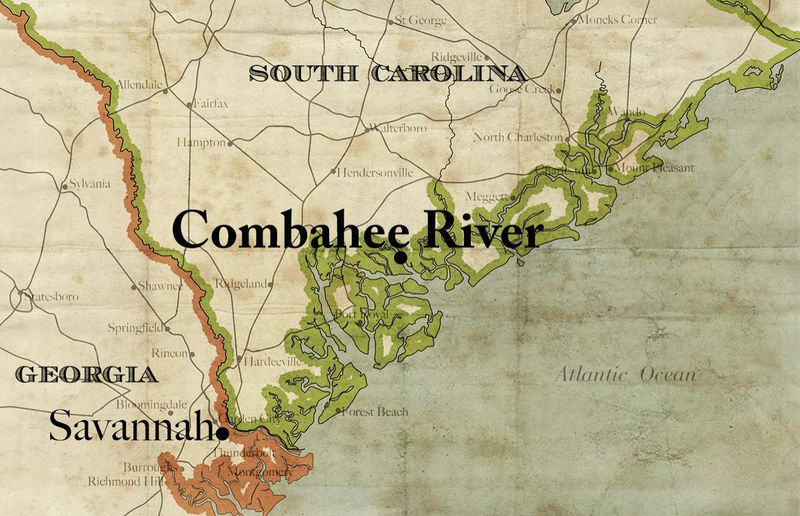
As Black History Month/Black Futures Month draws to a close, the Cooperative Gallery Walk from our North Star Black Cooperative Fellowship reminds us that we are a part of a deep, rich legacy of Black cooperative economics, past and present. Leanna, our North Star Program Manager, highlights the Combahee River Colony to show how we can draw on these stories for inspiration and a blueprint for a path forward. Read the feature below from our Cooperative Gallery Walk!
“The Combahee River Colony was located in a remote area where African Americans established their own settlements and remained relatively self-sufficient and semi-autonomous: the Gullah/Geechee communities in the South Carolina Sea Islands.
The Combahee River Colony in South Carolina consisted of several hundred African American women during the Civil War whose men had gone to join the Union Army. They occupied abandoned farmland where they ‘grew crops and cared for one another.’ They refused to work for whites and were proud of their handicrafts and cotton crop, as well as their independence. The community became relatively well known as an example of Black women’s independence, perseverance, and collective spirit.” —Excerpt from Jessica Gordon Nembhard’s “Collective Courage: A History of African American Cooperative Economic Thought and Practice”
What strikes you most about this history?
The Combahee River Colony filled in the gaps, resourced their community in creative ways, and tended to their needs collectively. We invite you to reflect, share, and engage with three people on these prompts:
- As we continue to navigate a federal occupation and continued, brutal violence in our communities, what lessons can we learn from the Combahee River Colony?
- What are the ways we can care for each other?
- How can we practice cooperation in our communities?