Category

We Showcased the Power of Worker-Ownership at Co-op Day at the Capitol

Fred

April 14, 2026, was Co-op Day at the Capitol! Nexus joined the Cooperative Network to show lawmakers the power of the cooperative model to address community challenges, showcase worker-owned cooperatives as a solution to the business succession crisis, and demonstrate the benefits of worker co-ops in St. Paul and beyond.

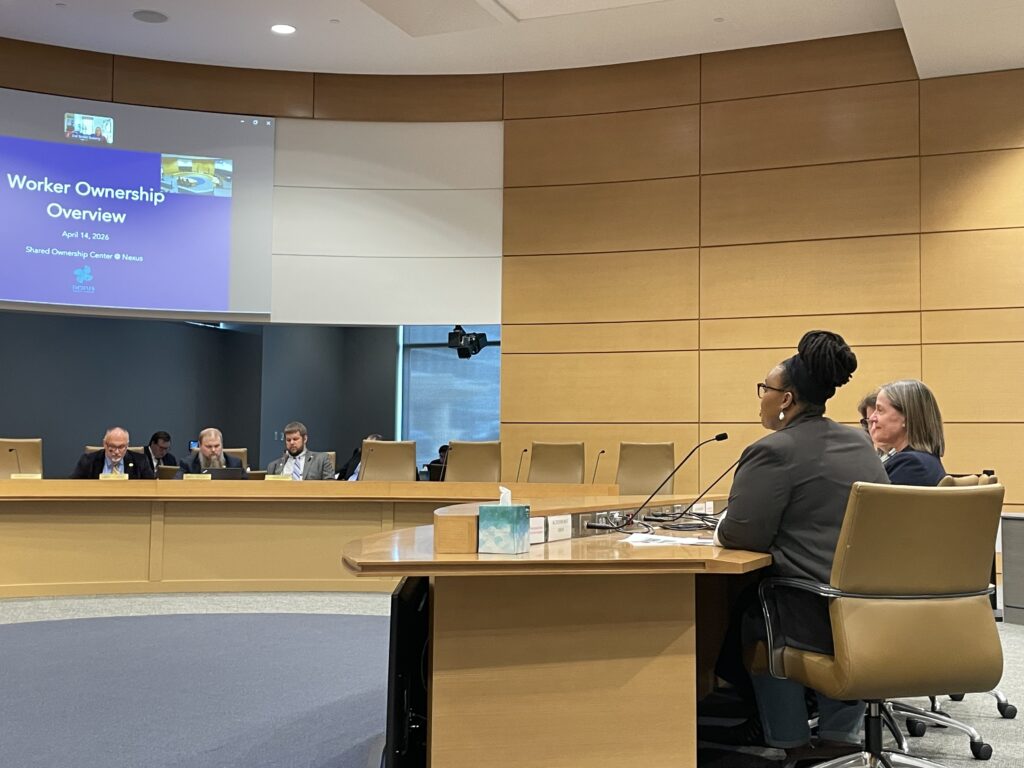
Director of Community Wealth Building Nonkululeko (Nkuli) Tabata, Cooperative Developer Christina Nicholson, and Shared Ownership Center client Dave Abbott, Lead Carpenter and VP at Terra Firma Building & Remodeling Co-op, testified alongside other local cooperative leaders and worker-owners at an informational hearing with the Minnesota Senate Labor Committee.

Nkuli reflects, “Capitol Co-op Day felt like a powerful moment to share the work many of us have been building for years and bring it into greater visibility. Being able to speak directly to the impact and potential of worker co-ops felt both grounding and energizing. The hearing created space to connect our work to real solutions, especially around building community wealth, expanding ownership, and strengthening local economies. It also reinforced how important it is to continue lifting up the stories, experiences, and leadership within our communities. This work does not happen overnight, and moments like this help build momentum and deepen understanding of what a cooperative future can look like.

Christina says, “Spending time with senators and representatives at the capitol signaled to me a significant increase in interest of the role that worker-owner cooperatives do and can play in retaining jobs and businesses in Minnesota. The connection between national trends in job satisfaction, retention, and equity of roles and stability of income for worker-cooperatives has broken through to the elected stewards of Minnesota. We are hearing more requests for ways to support our work through direct funding of technical assistance, zero-interest and forgivable loans for equity shares, and a general promotion through DEED to current business owners and their teams of how to retain jobs across the state through worker-owned conversions.”

Watch the hearing here!

Nkuli Tabata, Nexus Director of Community Wealth Building (right), speaks to the Minnesota Senate Labor Committee (left) about the power of cooperatives and Nexus’ North Star Black Cooperative Fellowship program.

Congratulations to North Star Cohort 9! From St. Paul to Belize, Detroit to Atlanta, our newest North Stars are living the legacy of Black cooperative economics across the map. Come wish them well at our virtual graduation on Wednesday, May 6!

North Star Black Cooperative Fellowship Cohort 9 Graduation

Event flyer for North Star Black Cooperative Fellowship Cohort 9 Graduation 2025 - 2026, background of starry night sky.

Join the North Star Black Cooperative Fellowship's online graduation celebrating Cohort 9. Congratulations, Fellows!


Wednesday, May 6

5:30 - 7:30 pm CDT

Zoom (virtual)


The North Star Black Cooperative Fellowship invites you to our online graduation and celebration of ceremony, performance, and amazing speakers, where we will honor Cohort 9's inspiring work and commitment to Black cooperative economics. Our keynote speaker will be Nia K. Evans with Boston Ujima Project.


This event is free, virtual, live, and open to all while centering Black people and Black experiences. This is a Black-centered space where we will prioritize uplifting Black voices and safety. 


Congratulations, North Stars, and onward!


Self-care and community care are interconnected. Join our North Star Black Cooperative Fellowship for a Black Study Session on April 29! Our guest facilitators will guide you through a sound bath and embodied practices to help you reconnect with yourself and soothe your nervous system.

North Star Black Cooperative Fellowship Black Study Session: Caring for Ourselves and Our Communities

Event flyer of a Black woman with her eyes closed and hand over her heart

Join the North Star Black Cooperative Fellowship for a Black Study Session on self-care and community care!


Wednesday, April 29

5:00 - 7:00 pm CDT

Zoom (virtual)


This Black Study Session will hold space for participants to experience self-care and community care with a focus on embodied practices. Guest speakers include Priscilla Momah with Coco Womb Wellness and Ayo Clemons with Ayo's Somatics. Priscilla Momah will engage participants in a guided meditation and sound bath experience rooted in cultivating care through deep listening, soulful soundscapes, and restorative presence. Ayo Clemons invites participants to slow down, listen to their bodies, gently settle, and tend to their nervous system. Together we will practice breath, body-based visualization, and self healing techniques to support us in our authentic expression of self and community care. 


Please wear clothing you feel comfortable moving in and be in an environment where you are fully present to participate in this session. Join us for an evening to learn together and engage in shared practices in community with one another.


Black Study Sessions are free, virtual, live, and open to all while centering Black people and Black experiences. This is a Black-centered space where we will prioritize uplifting Black voices and safety. 


Meet Our Facilitators

Ayo Clemons

Ayo’s work is centered in healing justice, relational transformation, and somatic coaching. As one of the co-owners of the People’s Movement Center, Ayo’s work provided a context for an emerging healing justice framework that infuses theory in practice. As a Global Somatics Practitioner, Ayo’s personal somatic practice began in 2012 and later transformed into supporting others with healing trauma, connecting with their bodies, and recognizing their individual and collective power. With over 18 years of experience as a community organizer, racial justice advocate, and facilitator, Ayo has utilized her skills to connect with hundreds of people to articulate their vision and advocate for change in their communities.

Priscilla Momah

Priscilla Momah is a multidisciplinary wellness practitioner, artist, and space holder devoted to cultivating care practices rooted in rest, restoration, and the nourishment of the mind, body, and heart. Through her work, she creates intentional spaces that invite individuals and communities to slow down, reconnect, and return to themselves. With over a decade of experience as a musician and facilitator, Priscilla weaves together sound healing, yoga, breathwork, mindfulness, and somatic practices to support nervous system regulation and holistic well-being. She is a Reiki practitioner, Thai Yoga Bodyworker, craniosacral therapist, doula, and health and wellness coach, offering integrative experiences that honor the body’s innate wisdom and capacity to heal.

As the founder of Coco Womb Wellness, Priscilla’s offerings are rooted in accessibility, compassion, and deep listening. Her sound bath experiences are immersive and restorative, designed to guide participants into states of deep rest where healing, reflection, and renewal can naturally unfold. Through every offering, Priscilla holds a gentle yet powerful intention: to create spaces where people feel supported, seen, and nourished individually and in community.

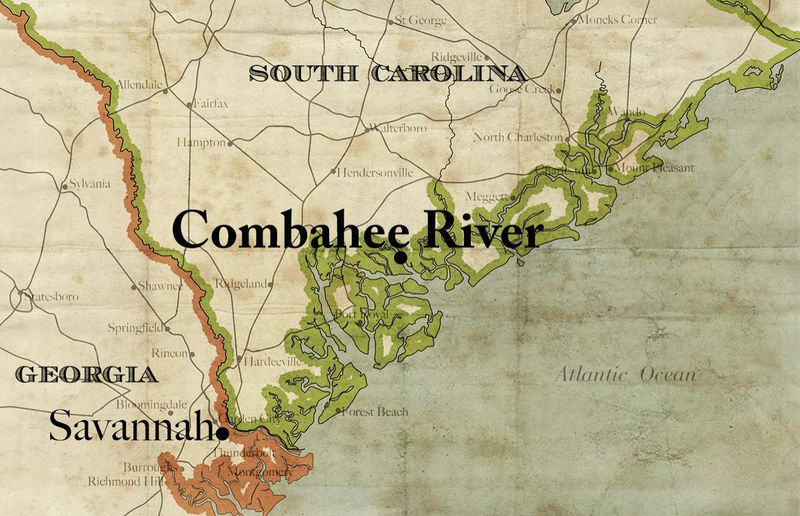
As Black History Month/Black Futures Month draws to a close, the Cooperative Gallery Walk from our North Star Black Cooperative Fellowship reminds us that we are a part of a deep, rich legacy of Black cooperative economics, past and present. Leanna, our North Star Program Manager, highlights the Combahee River Colony to show how we can draw on these stories for inspiration and a blueprint for a path forward. Read the feature below from our Cooperative Gallery Walk!

Leanna displays the Cooperative Gallery Walk at the Repaired Nations Black Solidarity Cooperative Conference

“The Combahee River Colony was located in a remote area where African Americans established their own settlements and remained relatively self-sufficient and semi-autonomous: the Gullah/Geechee communities in the South Carolina Sea Islands.

The Combahee River Colony in South Carolina consisted of several hundred African American women during the Civil War whose men had gone to join the Union Army. They occupied abandoned farmland where they ‘grew crops and cared for one another.’ They refused to work for whites and were proud of their handicrafts and cotton crop, as well as their independence. The community became relatively well known as an example of Black women’s independence, perseverance, and collective spirit.” —Excerpt from Jessica Gordon Nembhard’s “Collective Courage: A History of African American Cooperative Economic Thought and Practice”

What strikes you most about this history?

The Combahee River Colony filled in the gaps, resourced their community in creative ways, and tended to their needs collectively. We invite you to reflect, share, and engage with three people on these prompts:

  • As we continue to navigate a federal occupation and continued, brutal violence in our communities, what lessons can we learn from the Combahee River Colony?
  • What are the ways we can care for each other?
  • How can we practice cooperation in our communities?

See what Nexus’ North Star Black Cooperative Fellowship (NSBCF) was up to in 2025!

Cohort 8 Graduation

In May, we graduated 23 fellows from 10 cooperative groups, celebrating their achievements and shared leadership. Their showcase, We Are the Architects, uplifted the creativity, healing work, and cooperative legacies they are building.

Cohort 9 Launch

In August, we opened up applications for Cohort 9 and received 90 submissions—the most in North Star history! This included 57 applicants from the Twin Cities, six from Greater Minnesota, 26 from across the United States, and one international applicant, showing just how far our work is reaching.

In October, we welcomed 33 new fellows across 14 cooperative groups as our 2025-26 North Stars. This cohort reflects strong Black-led visions in wellness, land, food, creative economies, and mutual aid.

Alumni Support

Seven alumni cooperatives received continued support and technical assistance, including up to $25,000 for project development. This investment helped stabilize operations and strengthen long-term cooperative growth.

2025 Events

  • IBWIG Presentation: The Power of Wealth-Building through Cooperatives
    Ignite Business Women Investment Group hosted an evening of cooperative education and networking to celebrate Black History Month. Nexus Community Wealth Building Director Nonkululeko Tabata shared actionable strategies and resources for building community cooperatives and wealth, and reflected on the joy of being in community with the women of Ignite and uplifting real stories from the cooperative ecosystem.
  • Nexus 20th Anniversary Series: Rooted in Legacy, Owning Our Future
    This celebration honored 20 years of Community Wealth Building at Nexus and lifted up the history and future of collective ownership. NSBCF was highlighted as part of the broader movement advancing cooperative power and community control.
  • Community Wealth Building Team Retreat
    Our internal retreat strengthened NSBCF’s connections with Nexus’ other Community Wealth Building programs: the Shared Ownership Center (SOC@N) and Open Road Fund (ORF). Through shared learning and strategy building, our gathering created space for alignment, reflection, and deeper collaboration.
  • Co-Minnesota Presentation
    We shared the NSBCF model and insights from fellows during Cooperatively Building a Better World. The presentation affirmed the importance of Black-led cooperative leadership within Minnesota’s growing cooperative ecosystem.

Internal Growth and Strategy

Strategic Planning with AORTA
We completed most of our strategic planning work with AORTA this year and look forward to sharing more of what is emerging in 2026. This process helped us reflect deeply, clarify our priorities, and prepare for North Star’s 10th anniversary!

Tabling & Community Engagement

  • City of Saint Paul Office of Financial Empowerment – Money Action Day
    On May 31, NSBCF tabled alongside SOC@N and ORF to connect with residents around cooperative ownership and financial empowerment. It was a meaningful opportunity to meet community members, share resources, and introduce people to our work!
  • Black Business Network Business Fair
    On June 12, NSBCF and ORF engaged more than 60 local vendors with new and interactive activities. The fair was an energizing space to introduce cooperative concepts to entrepreneurs and strengthen relationships across the business community.

Conferences & National Presence

  • National Conference for Arts Funders and Artists
    NSBCF co-led a breakout session with AmbitioUS and The Big We focused on Black-led community ownership and cooperative models as strategies for economic justice and liberation. Participants also engaged directly with three North Star alumni collectives: Branch Out and Bloom, Voice of Culture, and Mutha Art’preneur Collective.
  • Repaired Nations Seventh Annual Black Solidarity Cooperative Conference
    NSBCF was invited to speak at this national gathering in Oakland from Oct. 10-12. We also presented an updated Cooperative Gallery Walk that highlighted the powerful work of our fellows and alumni.

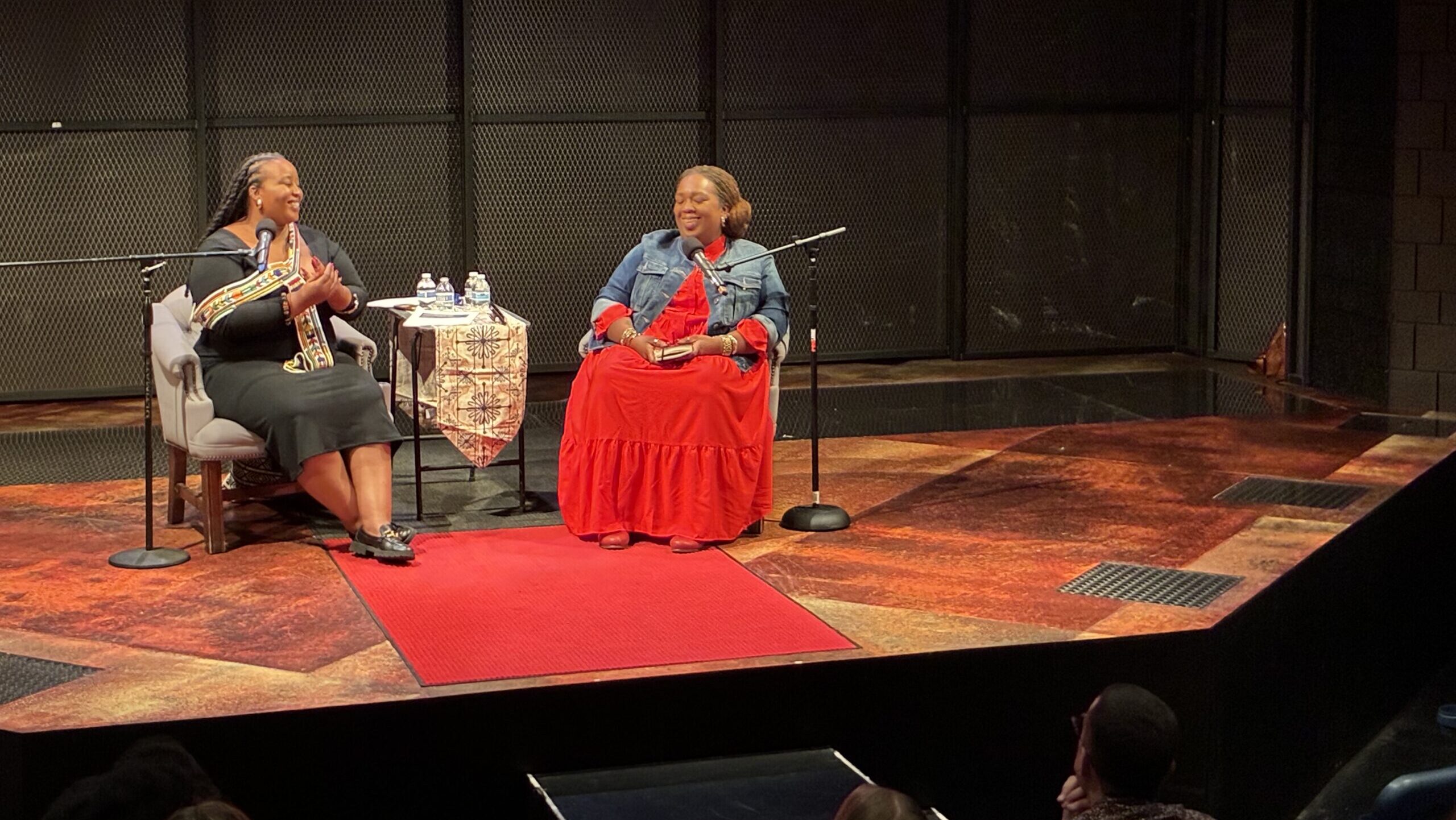
As part of the 2025 Grantmakers in the Arts Conference: Building Solidarity, Rooted in Justice, Nexus Community Partners and AmbitioUS* co-hosted ReIMAGINE Scale: Self-Determined Power & Community Power in the U.S. The session began with an inspiring fireside chat at Penumbra Theatre between Anasa Troutman, Founder and CEO of The BIG We in Memphis, Tennessee, and Nonkululeko (Nkuli) Tabata, Director of Community Wealth Building at Nexus.

Nexus Community Wealth Building & North Star Director Nkuli Tabata (left) speaks with The BIG We Founder & CEO Anasa Troutman (right).

“We wanted to give people a real picture of what community ownership and cooperative work look like when led by Black communities and cultural workers rooted in the day-to-day reality of building something different,” Nkuli says.

Anasa added her perspective through cultural organizing and community building in the South. Together, they helped the room understand that the work happening now is part of a much longer story.

Top Takeaways

  • Power is not an abstract concept. It shows up in who owns land, who controls money, who makes decisions, and who gets to shape the future.
  • Community ownership is not new for Black communities. We have always built systems of support through mutual aid, faith communities, informal networks, and collective economic practices.
  • Scale doesn’t simply mean “bigger.” It often looks like deeper relationships, stronger alignment, and healthier ecosystems. It looks like more distributed leadership and more people practicing power together.
  • We need capital that trusts communities and follows their lead, instead of shaping or limiting their vision.
  • Cooperative development is cultural work as much as it is technical work. It takes time, alignment, conflict skills, and shared purpose.

Before the fireside chat, Nexus’ North Star Program Manager, Leanna Browne, grounded attendees with a reflection question from Harvest of Survival: An Affirmation Deck Inspired by Octavia Butler: “How are you home building, world building, and universe building?”

Then, Leanna invited attendees to move through hands-on activities by three North Star alumni collectives: Branch Out and Bloom, Mutha Art’preneur Collective, and Voice of Culture. This part of the session helped people experience how:

  • Branch Out and Bloom is building worlds that are providing life skills and creative arts education for Black children and young adults in Minnesota.
  • Mutha Art’preneur Collective is creating intersecting practices of dreaming, actualizing, and intergenerational healing where Black women can show up and be supported as their full selves.
  • Voice of Culture is creating and maintaining Black space for Black people to engage in the study and practice of cultural arts for mental health and physical well-being.

Branch Out and Bloom guided people through reflecting on where they first learned basic life skills. Many realized that the people who taught them the most were family members, neighborhood elders, and culture keepers. It showed how much learning happens within the community, not just within formal systems.

Mutha Art’preneur Collective held a creative and grounding space where participants mapped their dreams and connected imagination to leadership. Their station reminded people that visioning and healing are part of building cooperative models that last.

Voice of Culture brought movement, rhythm, and collective energy into the room. Participants experienced how cultural practice supports wellness, belonging, and shared responsibility. It made it clear that culture is not separate from cooperative or economic work; it is part of the foundation that helps these models grow.

“These activities created space for attendees to engage with their bodies, minds, and spirits,” Leanna recalls. “It reminded us of the power of practicing Black cooperative economics, connecting to our hearts, and moving with our hands and feet collectively for liberation.”

Throughout the afternoon, people saw that cooperatives are not just legal structures or business plans. They are ways of working that rely on culture, trust, and shared decision-making. Many participants left with a deeper understanding of the real conditions communities need to build sustainable ownership models.

This all came at a key time. With shrinking public funding and growing challenges for the social sector, community-owned and culturally grounded models are not just interesting ideas. They are essential. North Star alumni in Minnesota, The Big We in Memphis, and many others across the country are building these systems right now.

Reflecting on the conference, Leanna shares, “I think about call and response, a practice in Black culture rooted in African traditions, which is significant in many ways: inviting collective participation, co-creating a shared experience, and utilizing storytelling to share our stories and pass down knowledge. An example is ‘Ago,’ which means, ‘Are you listening?’ or ‘Attention, please,’ and ‘Ame,’ a response from the group, which means, ‘I am listening’ or ‘You have my attention’ from the Twi language of the Akan people in Ghana.”

What is your response to the call of building solidarity, rooted in justice through Black cooperative economics?

Ago!
Ame!


*Many thanks to AmbitioUS Program Officer Leeann Wallett for helping shape the vision and logistics of this session. Her care helped us bring the spirit of the North Star Black Cooperative Fellowship into a national space in a way that felt true to the people doing this work!

This fall, we welcomed our ninth North Star Black Cooperative Fellowship cohort—and we’re excited to announce our newest fellows! Get a preview below, and read more about their work here.

* Denotes group members not participating in the fellowship.

Black Liberation Lab

James Arroyo Miller, Stephanie Williams, Jeanine Weekes Schorer,* Terri Hardaway*

Seeing past the frameworks that white supremacy constructed for how to lead, how to live, how to work, and how to be in community—to a true liberation for ALL Black people.

blakQuity

Imane Soubiane, Jamila White

A Black-led social impact organization advancing economic justice and cooperative development so Black communities can thrive.

D&D Healing

Dawn Burns, DeAnna Smith

A community-driven cooperative dedicated to holistic wellness (including healing and food access), economic empowerment, and building generational wealth.

Elephant & Turtle Collective

Precious Wallace, Laura Mann Hill

A wellness-centered initiative dedicated to helping people navigate grief, healing, and self-discovery.

Emi Coffee and Tea Bar

Cayden Black, Sumer Powell, Sara Chesak,* Samara Jones,* Drenaia Pittman*

Combining healthy food and drink, cooperative business practices, and programming that uplifts local artists, entrepreneurs, and leaders to create a sustainable gathering place where community, culture, and resilience thrive together.

MAMA (Metro Atlanta Mutual Aid) Fund

Kerrissa Vaughn, Dannielle Thomas, Sanae Lahgazi Alaoui, Darley Sackitey, Jovan Julien,* Nia Mosby,* Angel Torres*

Amplifying mutual aid networks; cultivating relationships and conversations toward achieving the redistribution of wealth; and creating just systems and infrastructure to share skills, knowledge, and resources to meet our current and future needs.

Mama Moyo Collective

Shétu Rose, Sammie Joseph-Fredericks, Jamesetta Diggs,* Asneth Omare,* Esthella Ajayi-Nicol,* Caroline Njau,* Jarinat Thorpe*

A cooperative founded by mothers of African descent, united in the pursuit of economic freedom and generational wealth for themselves, their children, their families, and their communities.

Nourish Collective

Trinice McNally-Hair, Destiny Hodges

Sustaining healers, educators, and community practitioners through cooperative ownership, economic projects, and workforce development that nurture ancestral traditions, wellness, and wealth in Black and Brown communities.

Pachipamwe

Blessing Chirimbani, Tapiwa Manjengwa

Nurturing the whole student by combining education, mentorship, family support, and community care, ensuring every child in Zimbabwe can learn, grow, and lead with confidence.

S-E-W Cooperative/Onyx Collective

Alicia Rufus, Jeanine Wiley, Rose Johnsongale, Victoria McWane-Creek,* Jackie Hill,* Heather Hill,* Jennifer Aranda*

Creating spaces where Black individuals in rural communities can connect, support one another and thrive.

Spectrum Cleaning Cooperative

Terrence White, Steffanie White

A Detroit worker-owned cleaning cooperative that provides stable, dignified employment and transformative job training.

STAR

Alea McDuffie, Jonathan A. Osei

A multi-disciplinary artist collective that focuses on the creative distribution and economic well-being of Black artists.

Toledo Regenerative Agriculture Association

Walter Davis III, Erelah Davis, Ivy Pitts,* Maurice Hardiman,* Feliciano Pop*

A collection of Black and Indigenous small-scale farmers in Belize seeking to improve the health conditions of the people of Toledo District by increasing the availability of high-quality, nutrient-dense annual organic vegetables.

Womxnist Liberation Cooperative

Aisha Truss-Miller, Cynthia Piphus, LaTierra Piphus, Mariah Barber

An Afrofuturist reimagining of Labor & community for Black women and femmes, providing workplace and wellness benefits for folx working for themselves and on behalf of the community.

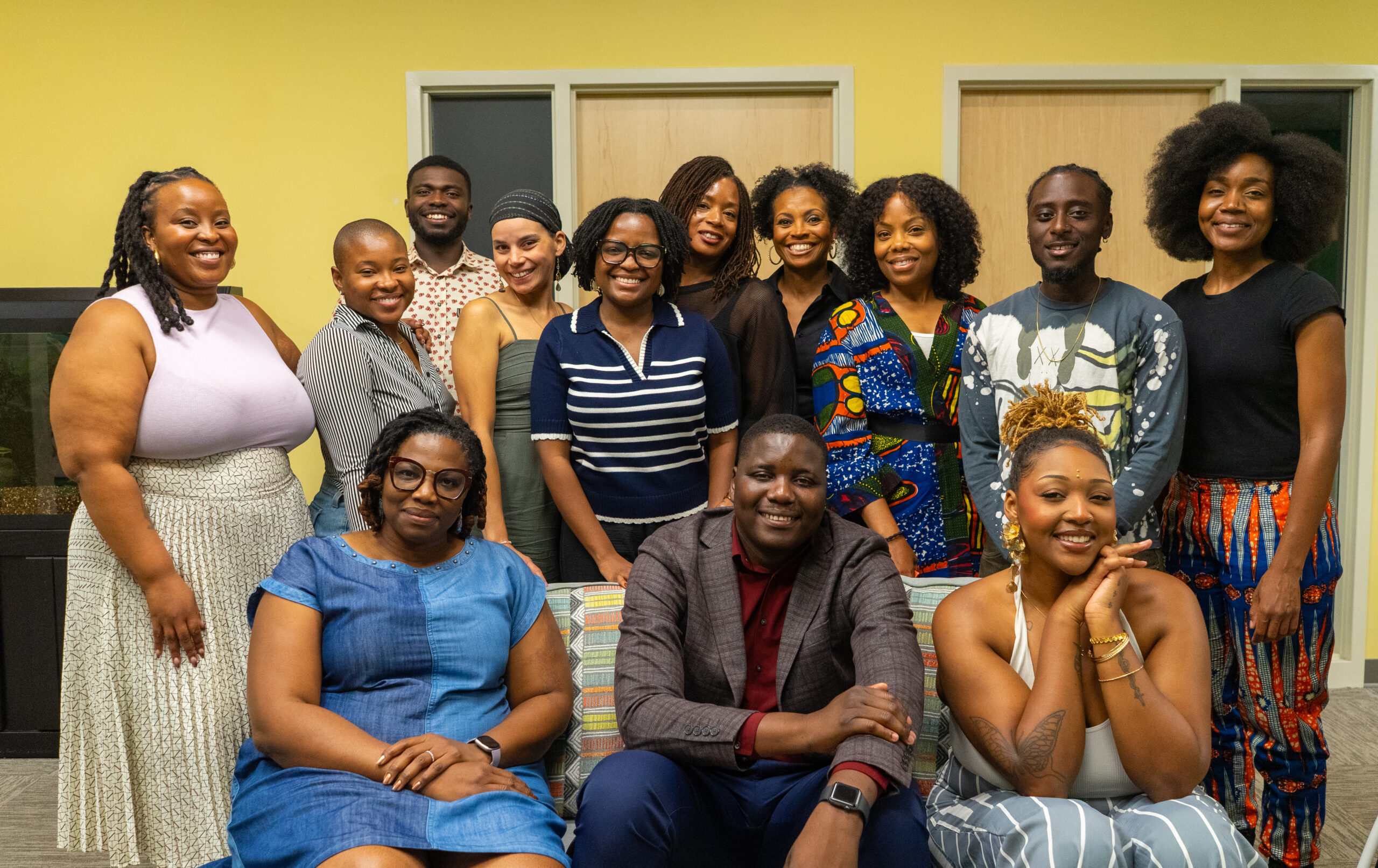
Our North Star program team smiles with new fellows at the Cohort 9 hybrid orientation session. Top row, left to right: Nexus Community Wealth Building Director Nonkululeko Tabata, fellows Precious Wallace, Jonathan A. Osei, Laura Mann Hill, Blessing Chirimbani, DeAnna Smith, Dawn Burns, Sammie Joseph-Fredericks, Cayden Black, and North Star Program Manager Leanna Browne. Bottom row, left to right: Fellows Shétu Rose, Tapiwa Manjengwa, and Sumer Powell.


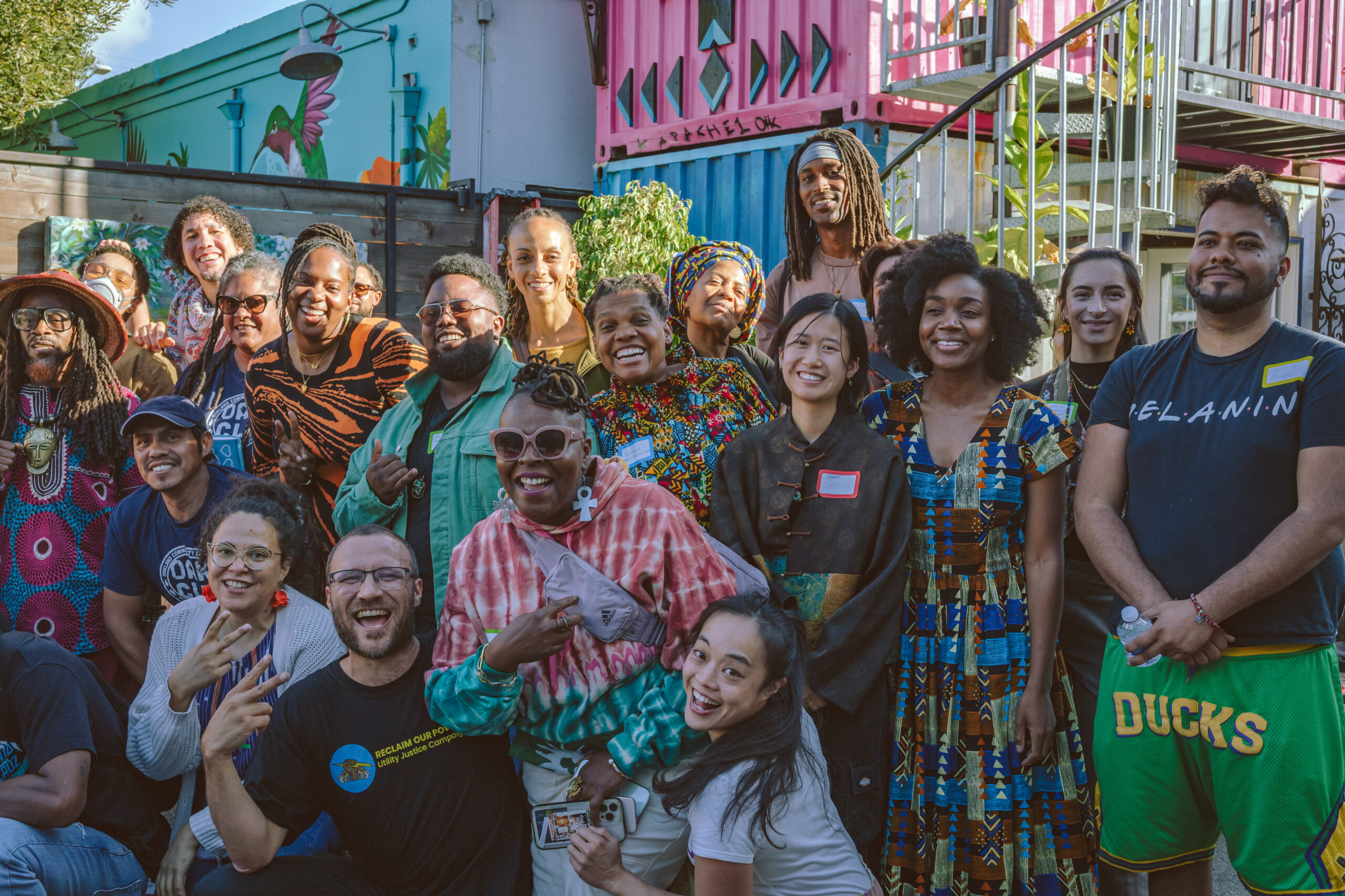
This fall, our North Star Black Cooperative Fellowship team jetted to Oakland, CA, for the Repaired Nations 7th Annual Black Solidarity Cooperative Conference, running Oct. 10-11, 2025. Over the long weekend, Program Director Nkuli Tabata and Program Manager Leanna Browne built new relationships, learned about exciting cooperative work happening throughout the country, and reconnected with folks from the 2023 conference in Ghana.

This year’s theme, Leaving a Legacy: Land, Wellness, Cooperative Futures, came to life in every moment, from the opening drumming and libations to the closing reflections that reminded us our work is both historical and visionary. Being surrounded by so many Black cooperative leaders, organizers, and culture bearers reminded us that this movement is rooted in generations of collective care, resource sharing, and imagination.

A couple standouts from the many amazing groups in attendance:

  • Aleta Toure with Parable of the Sower Co-op, a Black women-led, worker-owned, intentional community cooperative for Black women and their families. Their mission is to develop a Black land housing model for Black women organizers and worker-owned intentional communities.
  • The REAL People’s Fund, a $10 million community-powered fund and entrepreneurship program that includes non-extractive capital, holistic business support, and opportunities to build political power for BIPOC East Bay communities (Black, Indigenous, Spanish-speaking/Latine, Asian/AAPI, low income, immigrant, undocumented, formerly incarcerated and working-class communities of color)

Each session wove together practical learning with cultural and spiritual grounding. Conversations about ownership, land stewardship, and building community-based institutions were layered with song, poetry, and ancestral honoring.

“It reminded me that cooperation is not just an economic model; it is a cultural practice and a way of being that has sustained our people for generations.”

— Nkuli Tabata, Director of Community Wealth Building

Cultivating Our Cooperative Roots: A Gallery Walk of Black Cooperative Journeys

Nkuli and Leanna closed the first day with their session, Our Cooperative Roots: A Gallery Walk of Black Cooperative Journeys, highlighting people, moments, and groups in Black cooperative economics past and present.

The activity invited people to reflect on what cooperation looks like in practice, what sustains it, and what makes it hard. It moved us to see people recognize themselves in one another’s stories, the shared challenges, the moments of growth, and the deep commitment it takes to build something together. The gallery became a space of storytelling and connection, showing how our experiences are part of a larger story of Black cooperative work and collective possibility.

“It was powerful to share the story of the Black Panther Party’s Survival Programs while in Oakland, where the Black Panther Party was founded. It was also inspiring to hear and learn from Charlotte O’Neal, also known as Mama C, who shared about leading with love. Mama C and her husband, Pete O’Neal, were Black Panthers and live in Tanzania, where they co-founded the United African Alliance Community Center (UAACC), an NGO based in Arusha, Tanzania, providing programs and projects for both rural and urban communities and connecting communities in America to the world.”

— Leanna Browne, North Star Program Manager

On Sunday, Leanna joined a day trip to Oaxxanda, a sanctuary of holistic healing and restoration in Berry Creek, CA. This Black-led land co-op is an exciting site of possibilities for Black people to center land stewardship, self-determination, and healing.

It was much needed to experience Black people gathering in nature to rest, be in community, and just be. We enjoyed a nourishing meal prepared by some of the organizers and connected with each other through fellowship. Some people took naps and played in the creek. Some folks went on a tour of the land to experience its fullness and see the progress of the land project. The children played, running around with laughter and joy. The fresh mountain air, quiet, and stillness were healing.

“I’m grateful I had this time and space to experience the land in community with other Black people. Much gratitude to Mia Jackson, Shayara Etter, Gregory Jackson Jr., Mikhael Ali, and the rest of the Repaired Nations team for the opportunity to share and continue building the Black cooperative ecosystem together.”

— Leanna

Listening to organizers from Oakland, Richmond, and beyond reminded us how much possibility lives within this movement. People are reclaiming land, developing cooperative businesses, and creating new models for shared wealth and belonging. These stories affirmed that our work is not only about ownership, but about building community and ensuring that our people have the power to shape their own futures.

“Leaving the conference, I felt renewed and grateful to be part of this broader journey. The experience affirmed that the work we are doing at North Star and Nexus is connected to something much bigger than ourselves. Land and legacy are not abstract ideas; they are living commitments that require care, trust, and continued practice. This gathering reminded me that the future we dream about is already unfolding in the ways we collaborate, care for one another, and choose to keep building together.”

— Nkuli

Repaired Nations has built something powerful and lasting, a living example of what it means to invest in cooperative ecosystems that center Black voices and creativity. We give our deep gratitude for hosting and curating this beautiful gathering with so much intention and care!

A new cohort year, a new Black Study Session! Join our North Star Black Cooperative Fellowship on Wednesday, Dec. 3, 5-7 pm CT, to learn how we can create a solidarity economy and rise together through mutual aid.

Fill out the form below to register!

North Star Black Cooperative Fellowship Black Study Session: Ujima, Ujamaa, and Mutual Aid

Sorry, this form is not available.

Meet Our Guest Speaker

Julia Parker

Julia has worked across the public and private sectors in community development and impact investing, with a passion for financing and supporting BIPOC enterprises through non-extractive debt capital and equity financing. Her focus on justice, equity, diversity, and inclusion (JEDI) investing has guided her work with mission-aligned institutions.

A trained community-based lender, Julia began her career in city government in the mayor’s office before transitioning to a nonprofit addressing the impact of poverty on Black youth. She fell in love with the nonprofit sector and eventually moved into consulting with her firm Park4029 Consulting. Julia holds fractional consulting roles at several nonprofits, including Boston Ujima Project and Transform Finance.

With almost two decades in lending, Julia thrives on collaborating with clients and organizations that prioritize Black and Brown wealth creation and support nontraditional entrepreneurs. She holds a BA from Creighton University, an MS in Urban Studies from the University of Nebraska at Omaha, and an MBA in Finance and Entrepreneurship from Boston College.

October is National Co-op Month! For people who have been intentionally shut out of mainstream economies, cooperatives and cooperative economics present a tried and true alternative.

Our North Star Black Cooperative Fellowship provides training, education, and networking for new and emerging Black cooperative leaders, while our Shared Ownership Center provides in-depth technical assistance and resources for local worker and real estate investment cooperatives.

Nexus’ Community Wealth Building Director Nonkululeko (Nkuli) Tabata, North Star Program Manager Leanna Browne, and Cooperative Developer Christina Nicholson share what led them to cooperative work, the cooperators who’ve inspired them, and some of the key co-ops they’ve supported along the way.

What inspired you to get involved in the cooperative movement?

Nkuli

“The cooperative movement, for me, has been an evolving journey shaped by a deep desire for collective liberation and self-determination. It started with recognizing the power of unity and the potential of people coming together to create systems that reflect their values. The concept of Ubuntu, ‘I am because we are,’ has resonated with me deeply, as it speaks to the interconnectedness of our lives and struggles. This philosophy of shared humanity aligns perfectly with the cooperative principles of mutual aid, solidarity, and democratic decision-making.

My path was also deeply influenced by the work of Black cooperators and organizers who have long recognized that cooperatives offer a path to economic justice and community empowerment. From the teachings of our elders to the modern-day initiatives, I’ve seen how cooperatives can dismantle oppressive structures by redistributing power and resources in ways that honor the wisdom and strength of communities.

What inspired me most was seeing firsthand the transformative potential of cooperatives, not just as businesses, but as spaces of cultural and political resistance. It’s about more than just economic exchange—it’s about shifting our relationships with each other and with the land, and imagining a world where we can live with dignity, freedom, and equality. By embracing the cooperative model, we tap into our collective power, building a future rooted in cooperation, justice, and liberation.”

Leanna

“I’ve seen the familiarity of cooperative work in my life before I had the formal, specific language for it. My family is from Montserrat, in the Caribbean, and I’ve seen the ways family has come together to support each other. Examples include living in multi-family and multi-generational households when folks first move to new places where family already is; pooling resources; savings circles. I’ve also seen cooperative work in different artist communities I’m a part of.”

Christina

I was first introduced to cooperatives through the Twin Cities’ natural foods cooperative scene when I moved to Minneapolis. Since that time, in my work, I have learned about the expansive global history of cooperatives, formal and informal. I have been able to study cooperative structures that value the labor, production, and creativity of the individuals involved in building their communities and how those contributions enrich the communities they serve.”


Who are the key figures or mentors that influenced your path toward cooperative work?

Nkuli

“Steve Biko and Black Consciousness Thought have been incredibly influential in shaping my path. Biko’s philosophy, which emphasizes the need for Black people to reclaim their sense of self-worth and power, aligns deeply with the cooperative movement’s focus on self-determination. His call for a radical shift in how Black people see themselves and their communities resonates with the principles of cooperatives, where we build systems that reflect our values and needs, and where collective ownership and decision-making are tools for liberation.

The leadership and courage of Harriet Tubman and Fannie Lou Hamer have also played a significant role in my thinking. Tubman’s fierce resistance to oppression and her work on the Underground Railroad are examples of how liberation requires not just fighting against systemic forces but also building alternative systems of support and care. Hamer’s tireless work for voting rights and her advocacy for economic justice, particularly for Black farmers, speak to the importance of political action and community-based economic solutions. Both women exemplified the kind of collective action and organizing that is at the heart of the cooperative movement.

The work of these figures, along with others, reminds me that cooperative work is not just about creating businesses or economic models; it’s about building movements rooted in collective action, solidarity, and the pursuit of liberation. Their legacies inspire me to continue pushing for systems that empower communities, foster agency, and challenge the structures of power that seek to keep us divided.”

Leanna

“Harriet Tubman, as well as the Black women in my family such as my Auntie Venoreen, Grandma Browne, and my mom.”

Christina

“My introduction to Fannie Lou Hamer and the Freedom Fund Cooperative while studying the history of the Federation of Southern Cooperatives in the United States, formed in 1967. The Federation was shaped by the Civil Rights Movement of the 1960s, and focused on both economic and policy changes that historically punished Black grassroots farming communities in the South. Since that time, the Federation has worked to leverage and pool economic access to markets as well as focusing on legislation that improves the lived experience of the farmers they serve. The Freedom Farm project was started in 1969, formed with a $10,000 grant. During the time that the Freedom Farm was in operation, it had over 1500 members and helped improve the economic lives of the participating members through taking aggregated crops to market and creating a pig bank that allowed farmers to access livestock at fair prices to grow their farm size and incomes.

I first met Professor Jessica Gordon Nembhard when I attended an event at the Capri Theatre in 2015, when she was on a book tour for her powerful and groundbreaking book, Collective Courage. It was an exciting and robust conversation that helped me to further my understanding of how the history of cooperatives has always been and continues to be multifaceted and global. I have continued to follow Dr. Gordon Nembhard’s work in emerging worker cooperatives in incarcerated spaces.

I learned about the Rochdale Pioneers while working in retail cooperatives here in the Twin Cities. My understanding of the Rochedale cooperative movement is rooted in the labor movement and the desire of the members of the cooperative to be able to buy clean products at a fair price, outside of the control of the industry barons they were controlled by. Their commitment to building a decisionmaking system that was democratic, transparent, and fair was a new model to me, and helped me understand that the way decisions are made in community can be an impactful counterweight to unchecked power.”


What roles have you played in the development and support of cooperatives?

Nkuli

“I’ve been deeply involved in supporting Black-led cooperatives by helping build strong leaders, sustainable models, and powerful networks. Through my work leading the North Star Black Cooperative Fellowship at Nexus, I’ve supported Black cooperative leaders with education, connections, and strategic tools to help them grow and sustain their work.

As a founding board member of the Taproot Investment Cooperative, I’ve helped shape community investment strategies, making sure Black and BIPOC communities have access to sustainable, locally driven real estate opportunities that build long-term wealth.

Beyond these roles, I’ve been hands-on in program leadership and strategy, managing and expanding cooperative fellowships to make sure they have lasting impact. I’ve also designed and facilitated curriculum on cooperative economics, helping communities understand and apply cooperative principles in real ways. And because this work is bigger than any one program, I’ve been active in policy and movement building, pushing for Black-led cooperative development on a broader scale and staying engaged with national networks to help grow the movement.”

Leanna

“I am a member of BLAQ, a dance company for Black people that is founded and led by DejaJoelle, that centers healing and liberation. I was also an artist in the first and second year programs for Body Prayers: For Artists, also led by DejaJoelle, a Poly-Realmic (RECLAIM, SURRENDER, CONJURE) practice that centralizes Black dancers and utilizes dance, healing, community collaboration, and transmission of knowledge to guide Black artists to their most powerful version of themselves and artistic voice.”

Christina

“I spent 20 years, from 1995 to 2015, in retail cooperatives here in the Twin Cities, supporting cooperative staff and organizations through a range of positions from FrontEnd Manager, Project Manager, Owners Representative, and General Manager. After completing my MBA, in the last five years I have been able to expand my work in the cooperative ecosystem through the development of worker-owned cooperatives, focusing on improving the economic and democratic infrastructures of locally owned businesses.”
In celebration of the International Year of Cooperatives, CoMinnesota, Minnesota Farmers Union, the University of Minnesota Morris, and West Central Initiative launched the first-ever Minnesota Cooperative Summit at the end of July!

The two-day gathering uplifted Minnesota’s rich history of cooperation—and invited new voices to shape its future. The event welcomed those deeply rooted in cooperative work, like Nexus, as well as those exploring it for the first time. Attendees heard real-life success stories, discovered cooperative strategies, and connected across sectors and geographies. It was a launchpad for cooperative action, showcasing how cooperation can help address Minnesota’s economic and social challenges and shape a stronger, more inclusive future.

Diana Siegel-Garcia, Christina Nicholson, and Nkuli Shongwe from our Community Wealth Building team presented on North Star and our Shared Ownership Center, connected with fellow changemakers, and left with tools and inspiration for our future work!

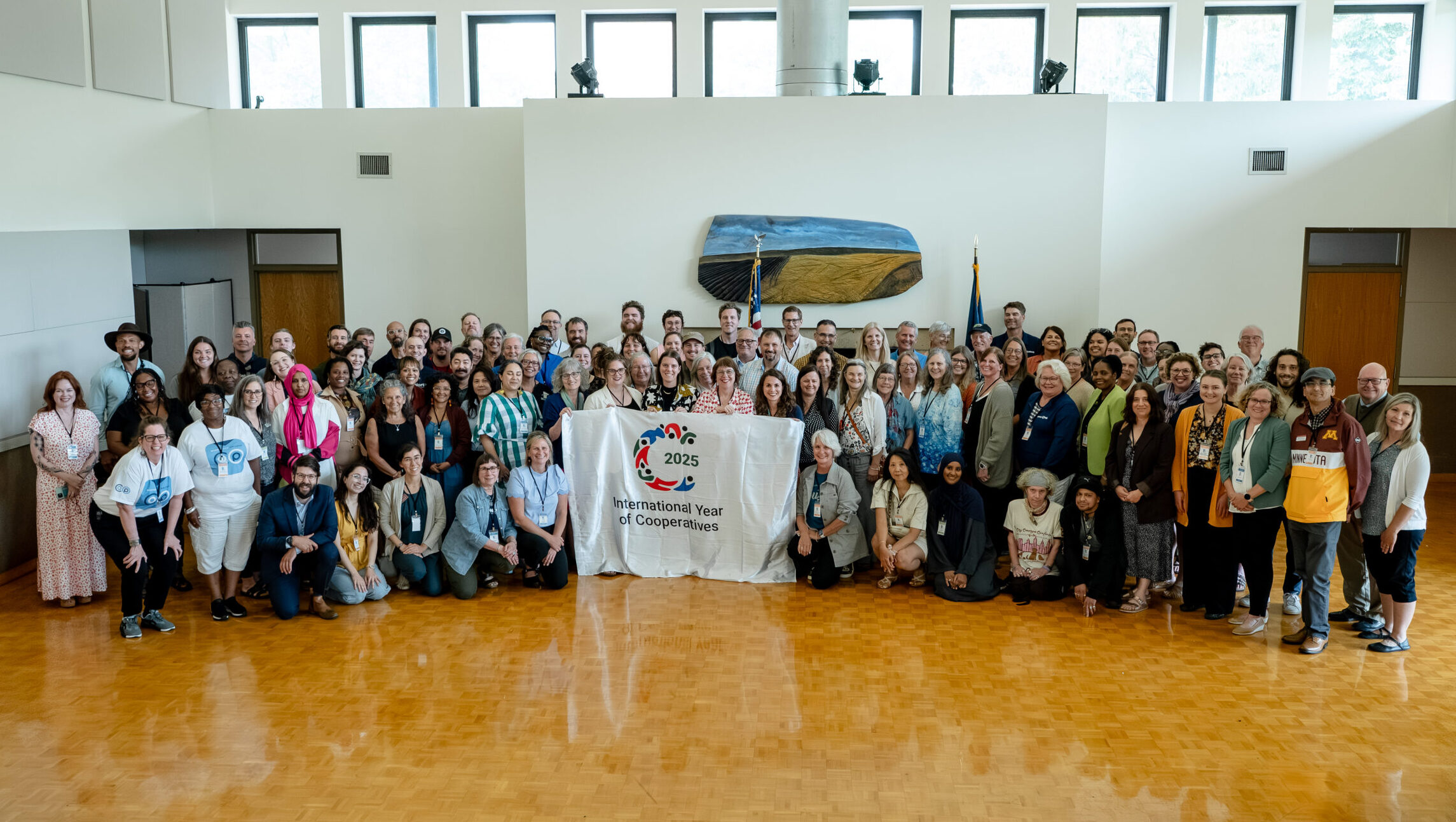
Attendees pose in a large group, smiling, with a banner to celebrate the International Year of Cooperatives.
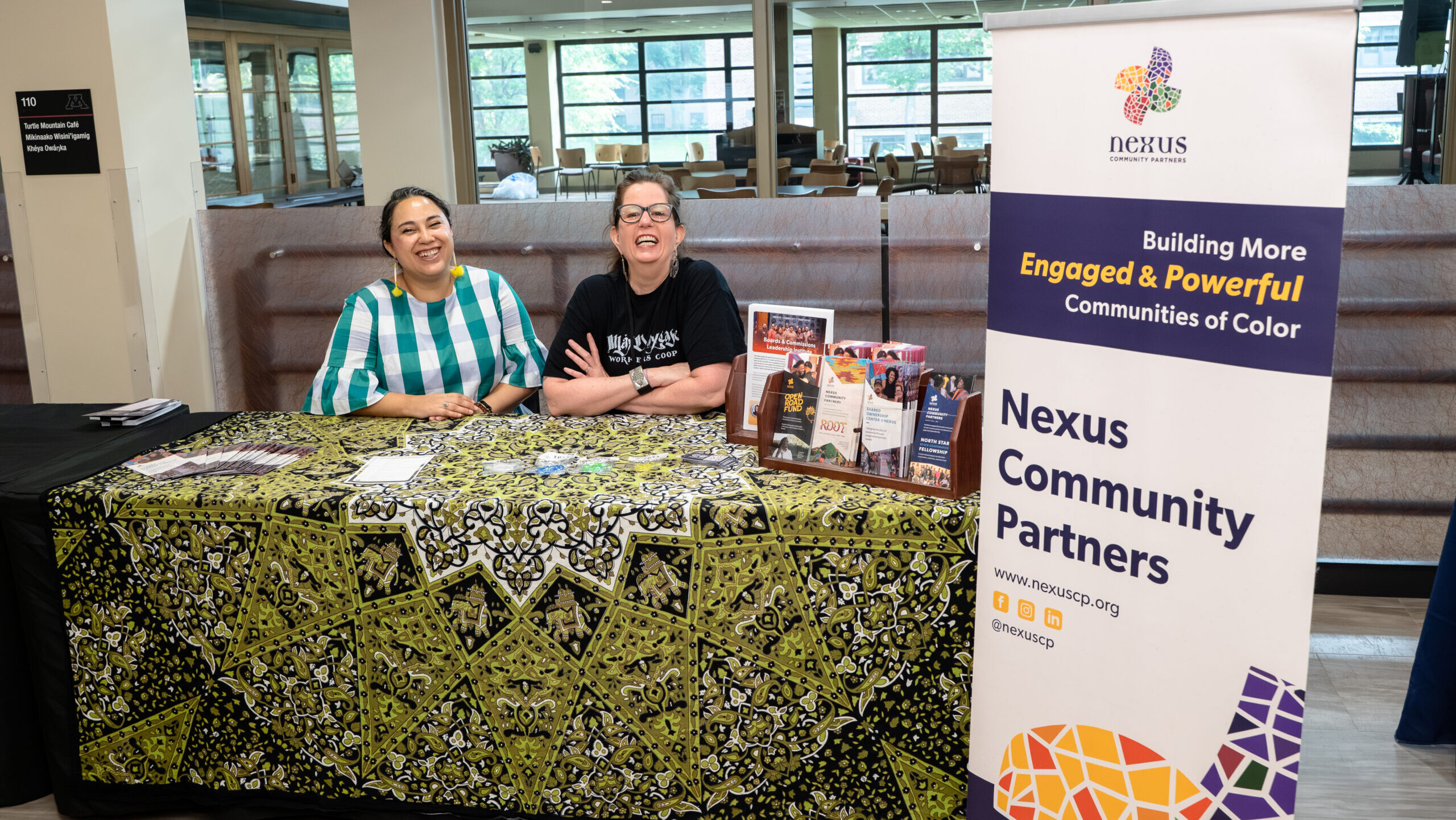
Shared Ownership Center Program Manager Diana Siegel-Garcia and Cooperative Developer Christina Nicholson table with brochures about Nexus Community Partners.
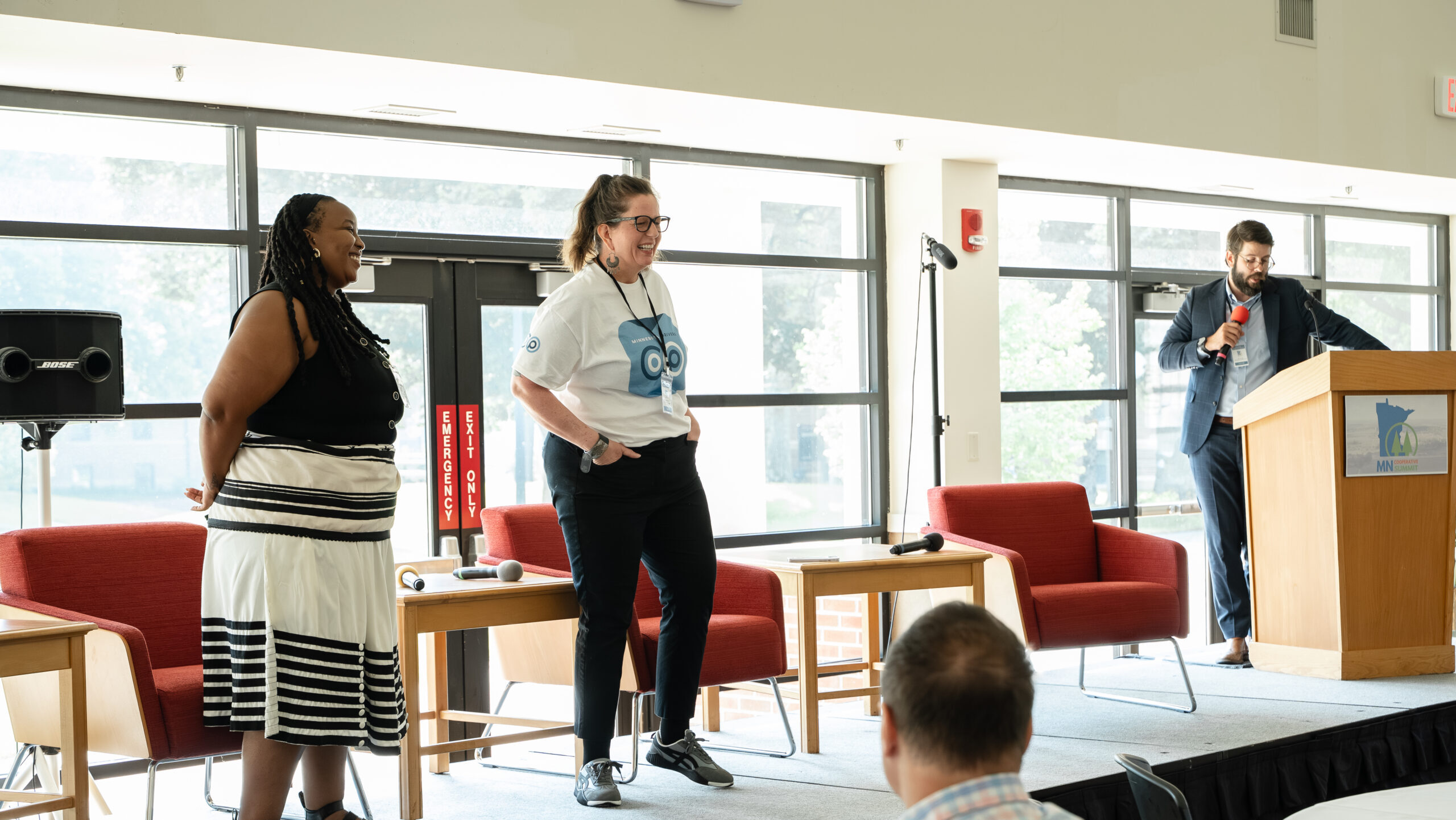
Community Wealth Building Director Nonkululeko Shongwe laughs onstage with Christina as they give a presentation.
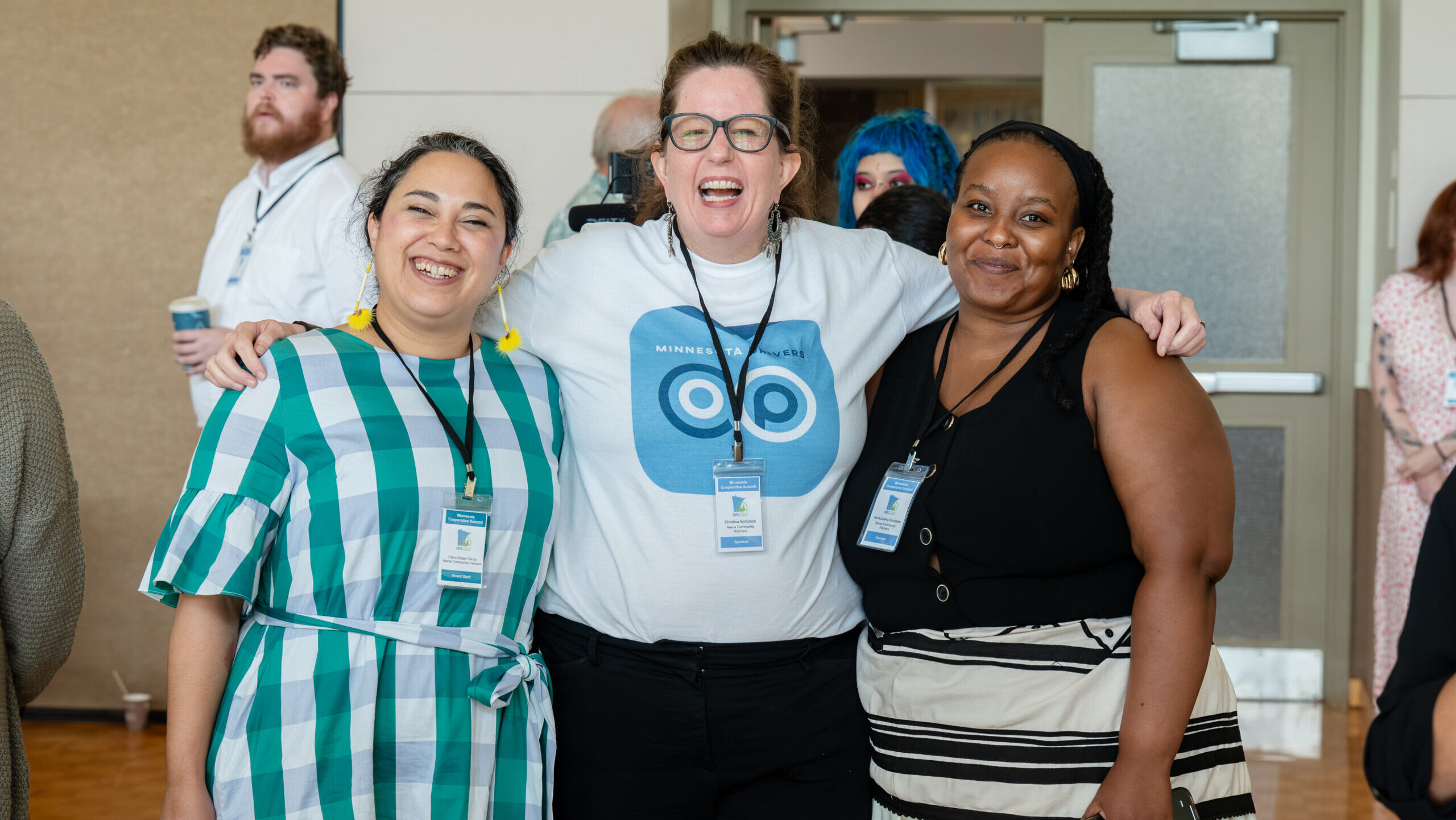
Diana, Christina, and Nkuli smile together as they mingle with other attendees.

Photo credit: Heather Elaine Fotography

North Star Black Cooperative Fellowship applications are open now through Aug. 25! Interested in applying? Watch our information session below, where we share a brief history of North Star, discuss fellowship requirements, provide a curriculum overview, and answer questions.

North Star is a place for Black-led cooperatives, collectives, housing, commercial, and land trusts to learn and reclaim the history of Black cooperative economics. Fellows come together for seven months of co-learning, storytelling, and skill-building. If you’re part of a Black-led co-op—or dreaming of starting one—this fellowship is for you!

Apply Now