By Nonkululeko Tabata, Director of Community Wealth Building
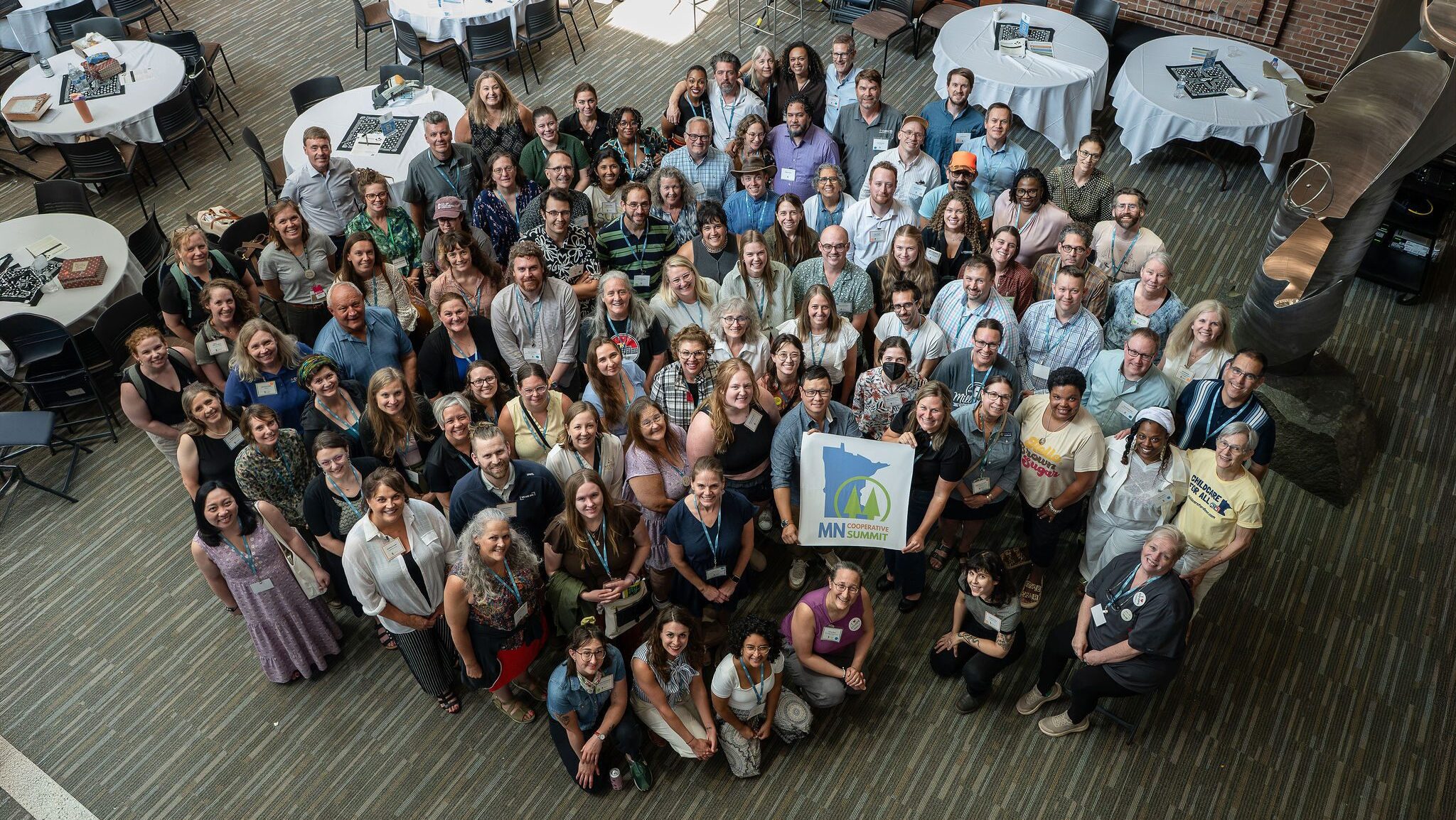
The second annual Minnesota Cooperative Summit brought together people from across Minnesota’s cooperative ecosystem, including cooperative businesses, community organizations, funders, educators, technical assistance providers, and advocates. It was a space to learn from one another, share what’s working, build relationships, and think about how cooperatives can create more economic opportunity and community wealth.
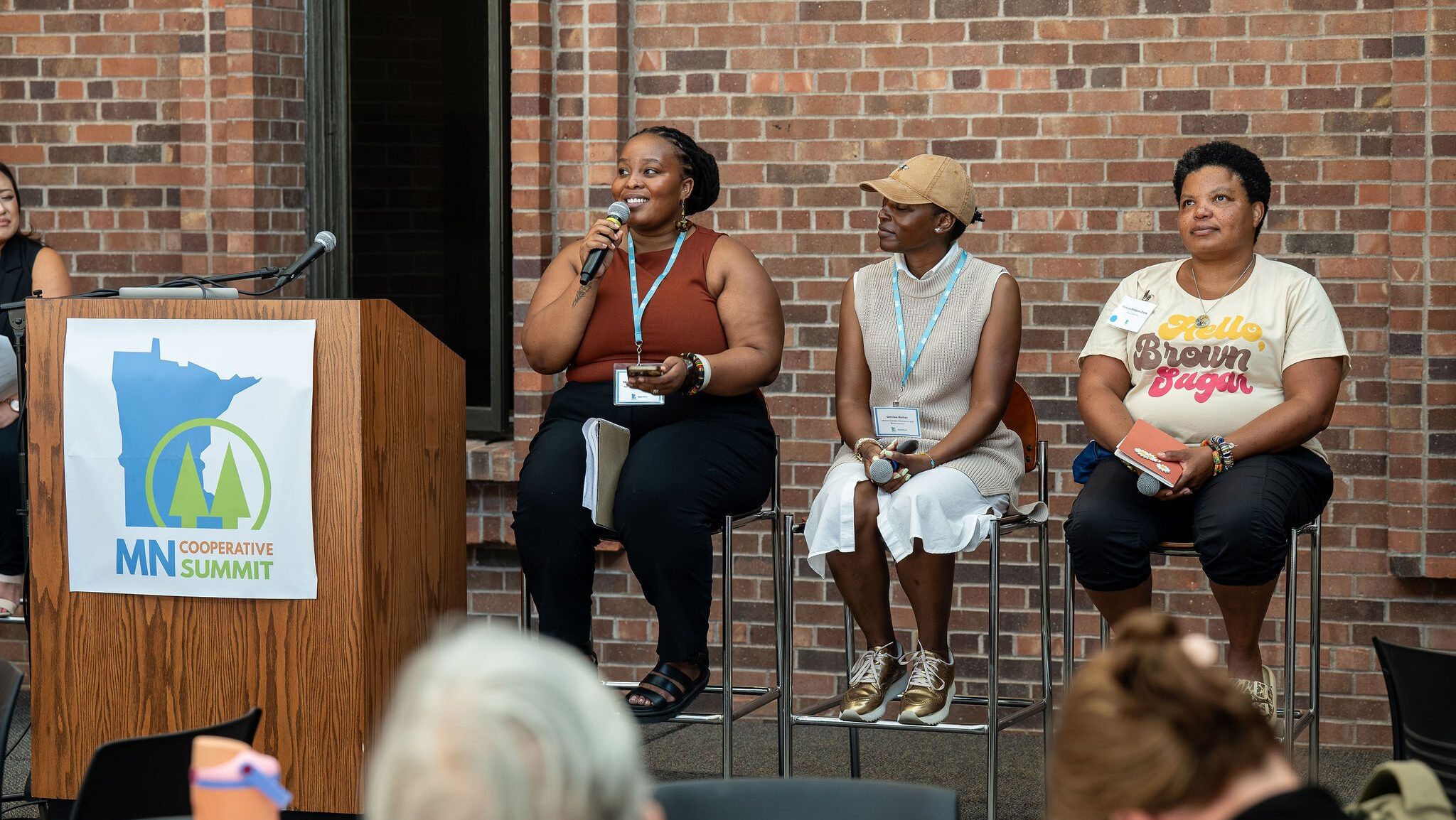
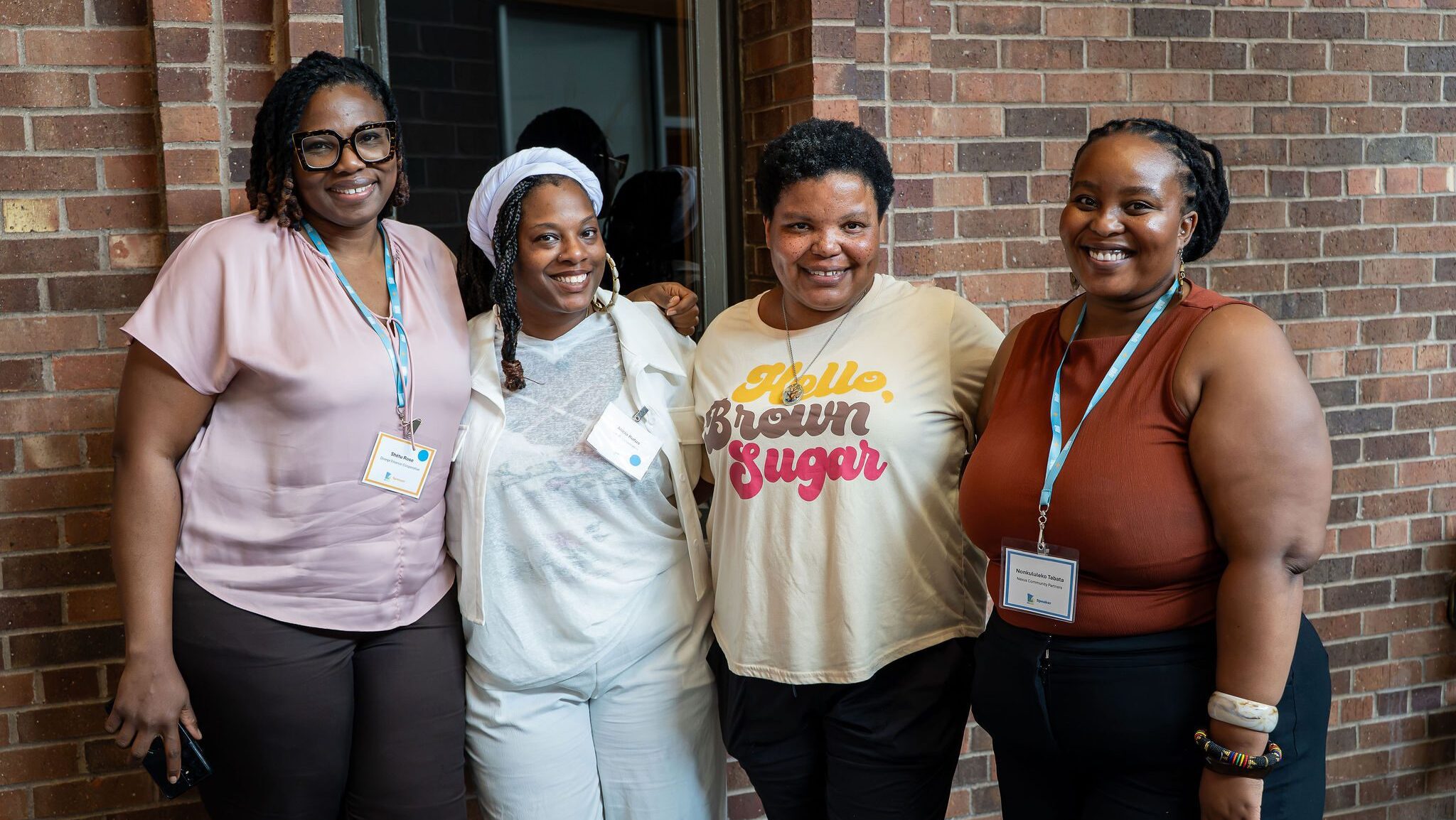
I co-presented Cooperatives as a Path to Economic Opportunity with Denise Butler from African Career Education & Resources (ACER) and Victoria McWane-Creek from Onyx Collective. We talked about how cooperatives create real opportunities for communities to build wealth through ownership rather than simply access. I shared the work Nexus is doing through the North Star Black Cooperative Fellowship and how investing in leadership, relationships, and community is just as important as supporting businesses. There is a lot to be said by having three Black women leading Black cooperatives in the Metro, surburbs, and rural Minnesota. It was a powerful moment.
I also attended the Indigenous Cooperative Perspectives session, which provided a powerful reminder that cooperative ways of living and working have existed long before many of our modern systems. It was a meaningful opportunity to learn from Indigenous leaders and reflect on the different ways communities practice collective ownership and stewardship.
Key Takeaways
- Cooperative development is really about people. We spend a lot of time talking about financing, legal structures, and business planning, but relationships, trust, and community are what make cooperatives sustainable.
- I was in awe of how much cooperative work continues to grow in Minnesota. We had incredible representation from people who play different roles in the ecosystem.
- The conversations about ownership really stayed with me. We often focus on helping people access opportunities, but ownership changes what’s possible. When people own businesses, land, housing, or other assets together, they build long-term wealth and have more power to shape their own futures.
- Building an ecosystem requires all of us. No single organization can do this work alone. We need collaboration, trust, and a willingness to invest in one another over the long term.
Conferences like this are a great starting point, but the real work happens afterward through collaboration, sharing resources, and continuing to support cooperative leaders as they build in their own communities. I hope people left feeling inspired to take action. Whether that’s supporting an existing co-op, exploring a cooperative model for their own work, or investing in community ownership, I hope this encourages people to reach across sectors to build a stronger and more connected cooperative movement.
Photos by Heather Elaine Fotography.