The University of Minnesota’s 7th World Conference on Remedies to Racial & Ethnic Economic Inequality brought together activists, scholars, and leaders from around the world—including many Nexus staff!
“It wasn’t just focused on research or policy,” reflected Nkuli Tabata, Nexus Director of Community Wealth Building. “It created space for people doing the work on the ground to share what they’re seeing alongside academics and decision-makers. It was a chance to learn from one another, build relationships, and have honest conversations about what it takes to create more equitable economic systems.”
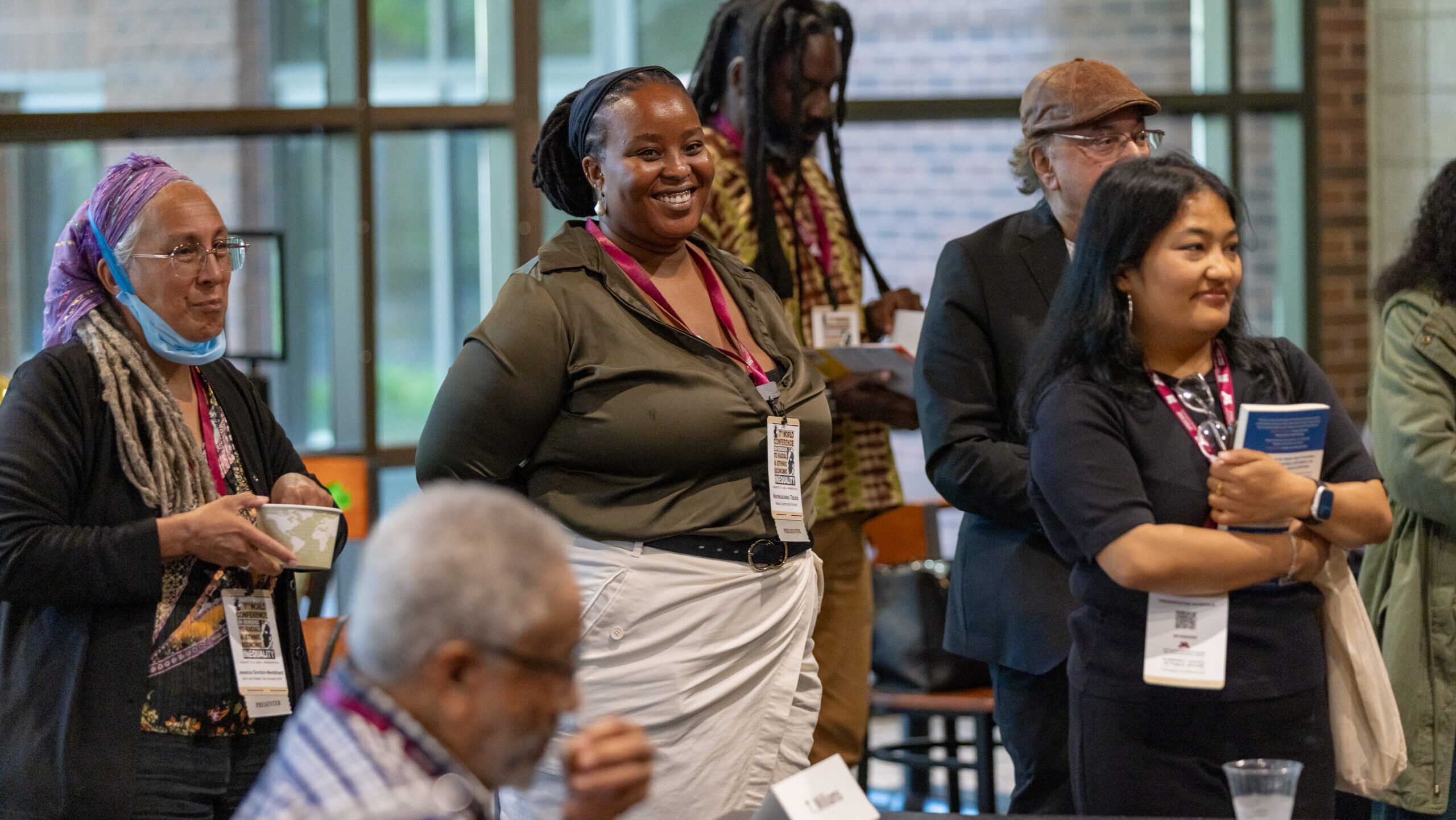
Our Boards & Commissions Leadership Institute (BCLI) presented Leadership and Democracy Building through Boards and Commissions. Our North Star Black Cooperative Fellowship presented From Survival to Solidarity: Reclaiming Cooperative Traditions to Build Collective Futures.
Leadership and Democracy Building through Boards and Commissions
Presented by BCLI Program Director Chai Lee and Program Assistant Christine Lian
Publicly appointed boards, committees, and commissions are a hidden layer of government and political power that most people don’t know about or consider. But public bodies at all levels of government play a critical role in decision-making that impacts your life and every matter of public policy. How do you engage with boards, and how can you affect policy change through service on a board or commission?
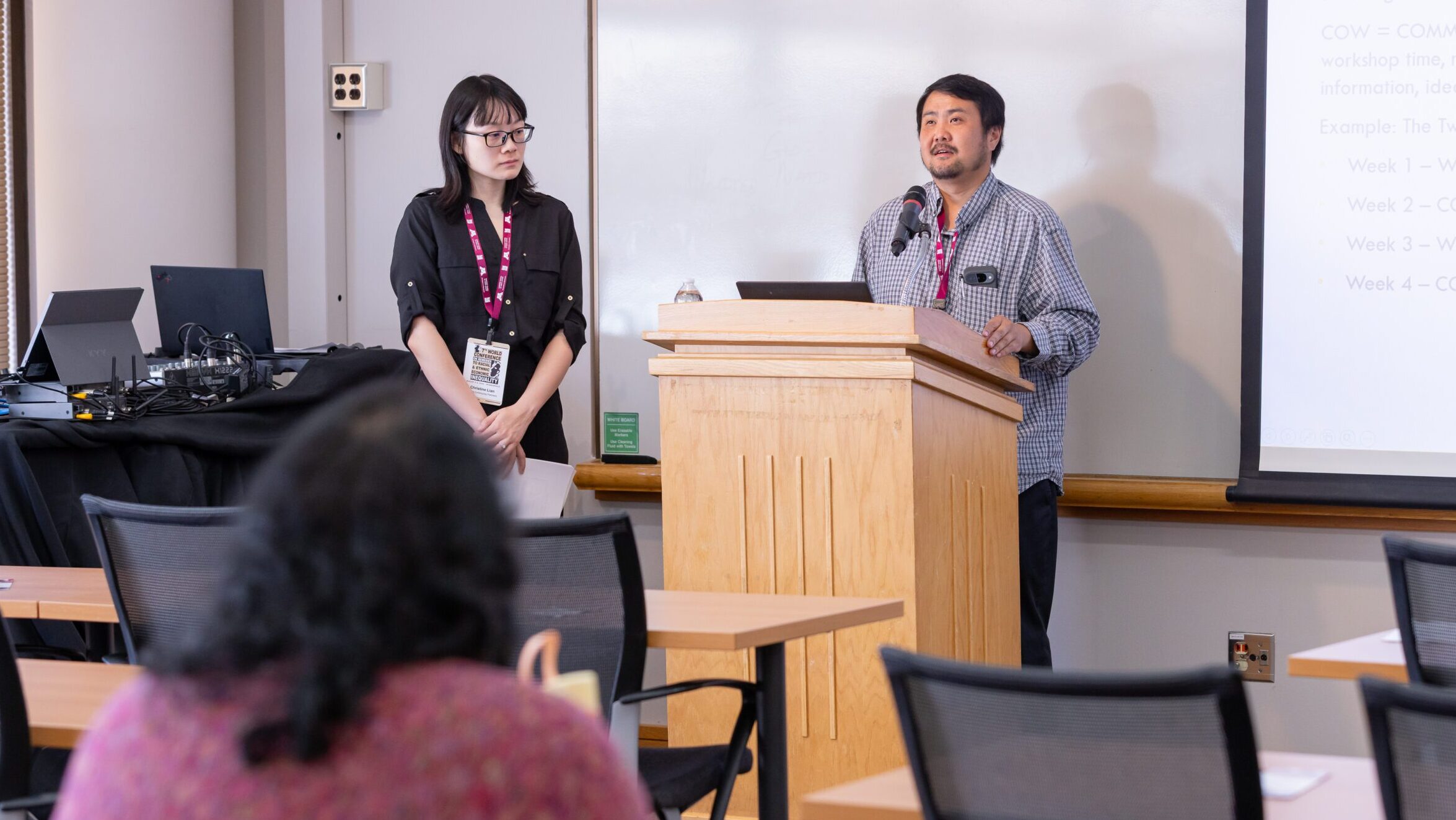
Chai and Christine shared powerful stories of BCLI alumni who have affected policy change through board service, highlighting an alum whose work on the Minneapolis Task Force for Earned Safe and Sick Time (ESST) inspired statewide legislation for Minnesota’s laws on ESST a decade later. Chai and Christine gave a Boards 101 breakdown on basic board structures and governance, meeting calendars, positions and titles, and meeting rules and terms. They ended by sharing the story of Minneapolis Mayor Hubert H. Humphrey, who, 90 years ago, used local boards to study racial tensions and acts of discrimination across the city. With the fact findings of these boards and their policy recommendations, he made history passing some of the first municipal civil and human rights laws in the country, and propelled his leadership profile to national prominence.
“Now more than ever, improving civic institutions and engaging broader communities in democracy building are so important,” Chai said.
From Survival to Solidarity: Reclaiming Cooperative Traditions to Build Collective Futures
Presented by North Star Program Director Nonkululeko (Nkuli) Tabata and Program Manager Leanna Browne
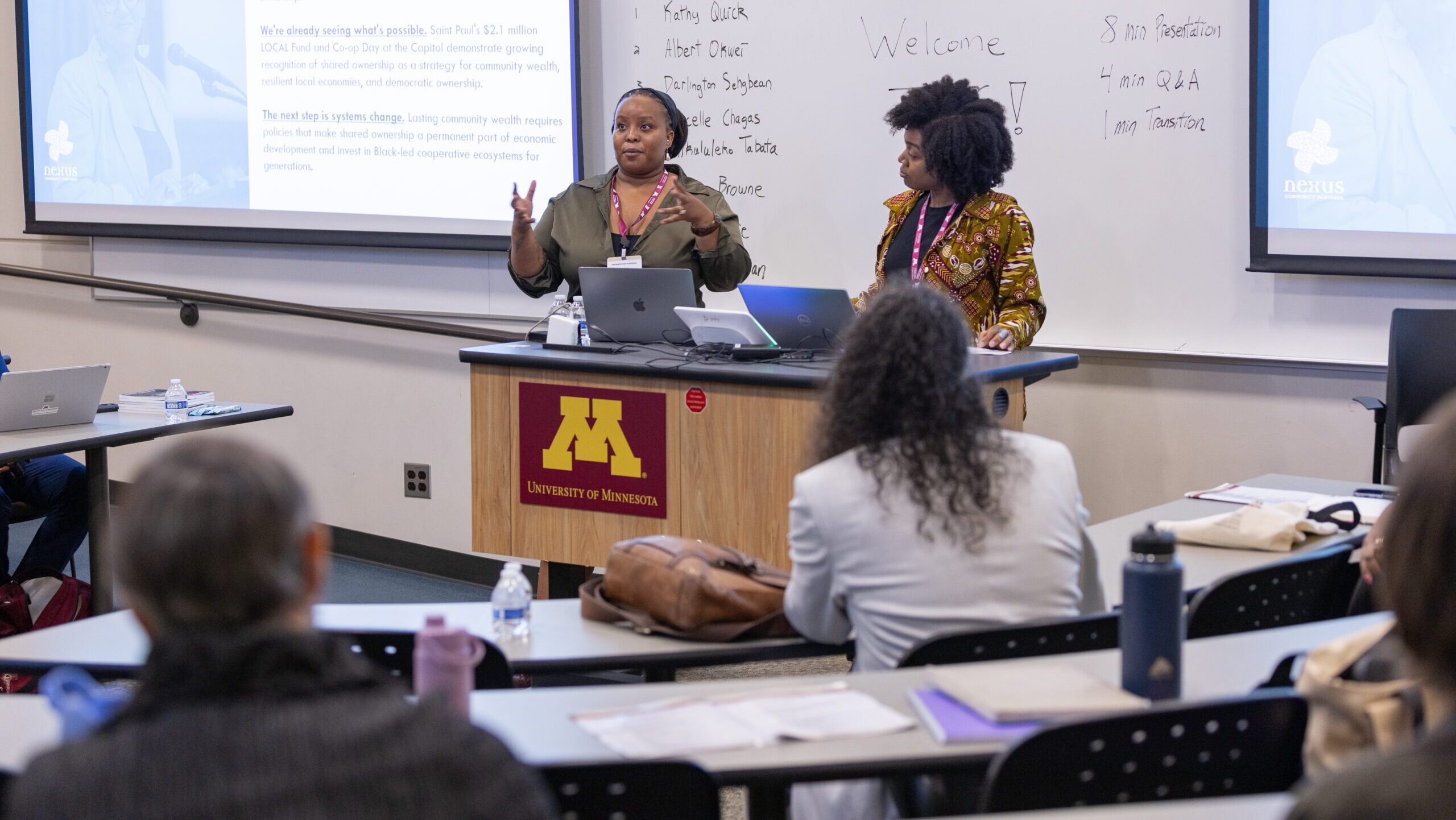
“We shared how cooperative development can be a pathway to economic opportunity, community ownership, and self-determination, particularly for communities that have historically been excluded from traditional economic systems,” Nkuli said. “We highlighted the work of North Star and reflected on what we’ve learned about supporting people as they build cooperative businesses and strengthen their communities.”
Key Conference Takeaways
- There isn’t one solution to addressing economic inequality, but there are shared values and practices that can guide the work. Learning from one another across disciplines and across borders is how some of the most meaningful innovation happens.
- The people closest to the challenges are often closest to the solutions.
- We’re part of a much larger movement, and staying connected helps all of us do better work.
Photos by Atomickphotography.