By Nonkululeko Tabata, Director of Community Wealth Building
At the end of July, the Association of Cooperative Educators Institute brought together cooperative practitioners, organizers, researchers, and people who are building co-ops in their own communities. It was a space to share ideas, learn from one another, and strengthen relationships across the cooperative movement. One of my favorite things about these conferences is being around people who genuinely believe another economy is possible.
I served as a keynote panelist for Celebrating 75 Years: Shaping the Future of Co-operative Education alongside Dr. Jessica Gordon Nembhard (John Jay College) and Electra Skrzydlewski (Metropolitan Consortium of Community Developers). We reflected on how cooperative education has evolved over the years, what we can learn from the movement’s history, and what the next generation of cooperative leaders will need.
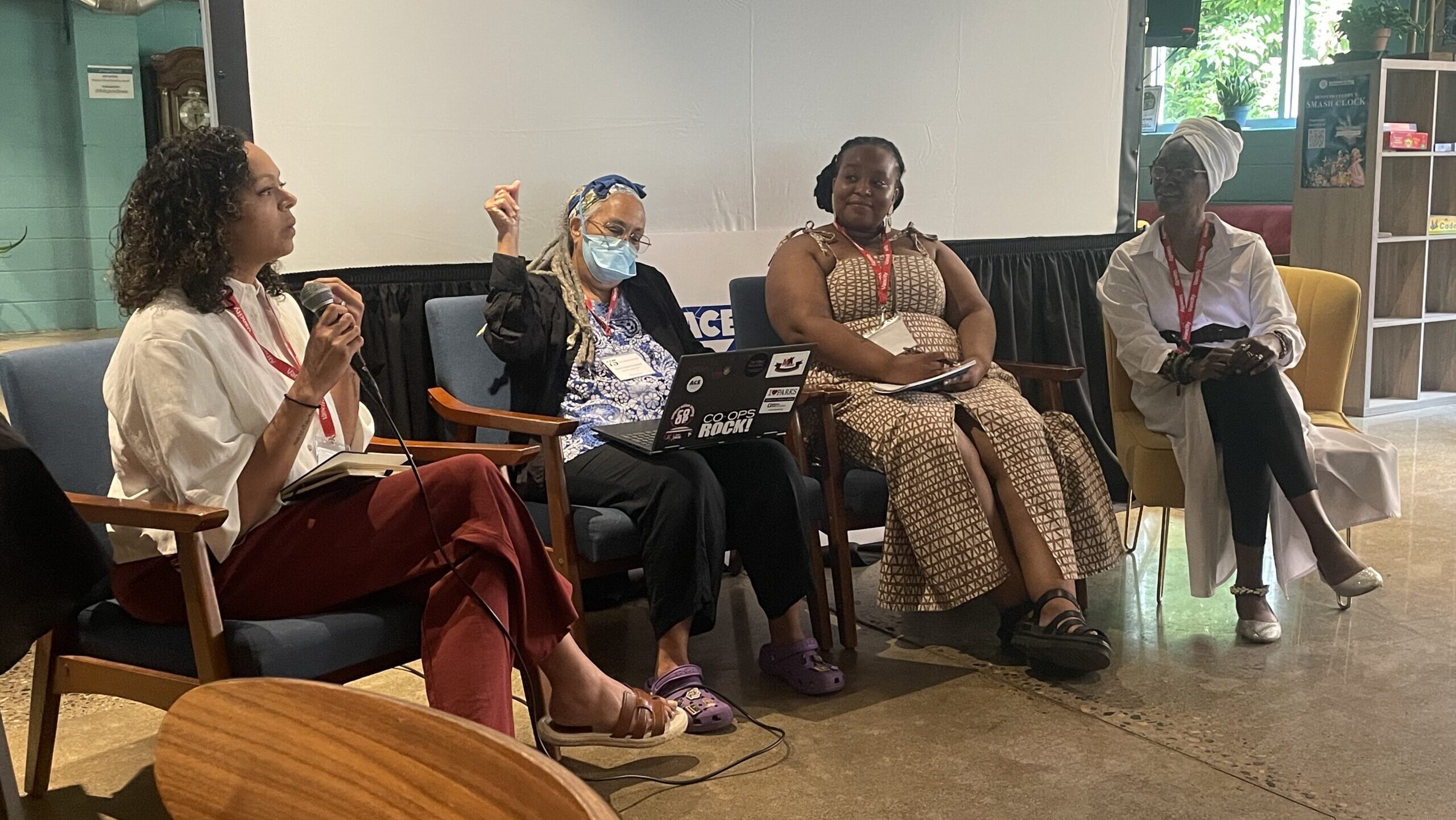
I shared how Nexus’ North Star Black Cooperative Fellowship uses storytelling, political education, and relationship building to help communities reclaim cooperative traditions and build community wealth. It was a thoughtful conversation about how education can move beyond teaching business models to building leadership and movements.
I also co-facilitated with Nexus’ Cooperative Developer, Christina Nicholson, about how we approach cooperative development and humanize the experience as an accessible approach to building the cooperative ecosystem.
Why Co-op Education Matters
Education is one of the most important investments we can make in the cooperative movement. Strong cooperatives don’t just happen because people have a good business idea. They grow because people build trust, learn together, and develop the skills to lead collectively. I left thinking about the importance of preserving the history of cooperative movements while making sure we’re creating space for new voices, especially young people and communities that have always practiced cooperation—even if it wasn’t always recognized by that name.
Co-op education is not simply about teaching people how to run cooperatives. It’s about helping people imagine different possibilities for their communities and giving them the tools to make those possibilities real.
Our movements become stronger when we learn across generations. The conference celebrated decades of experience while also making space for emerging leaders to shape what comes next.